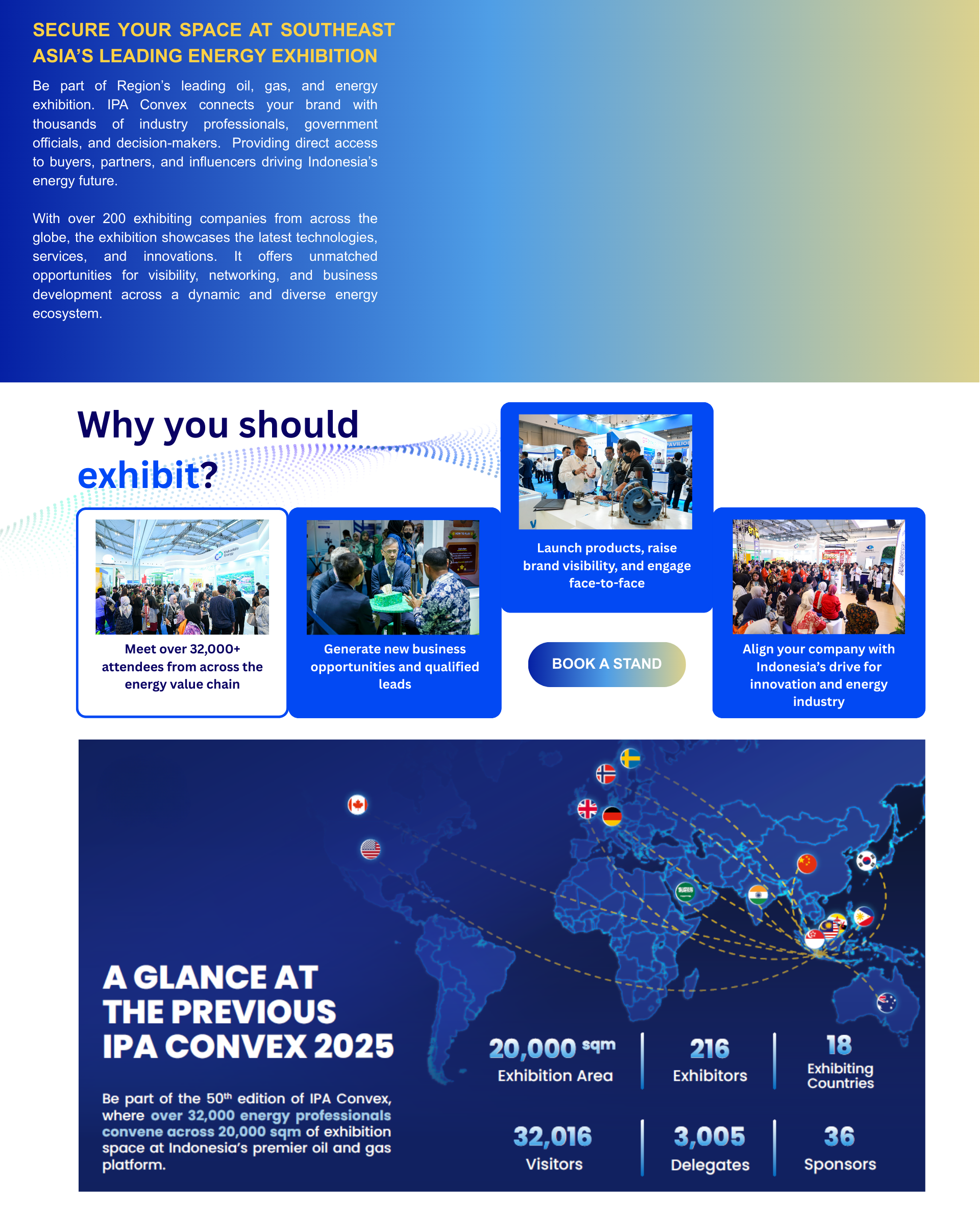
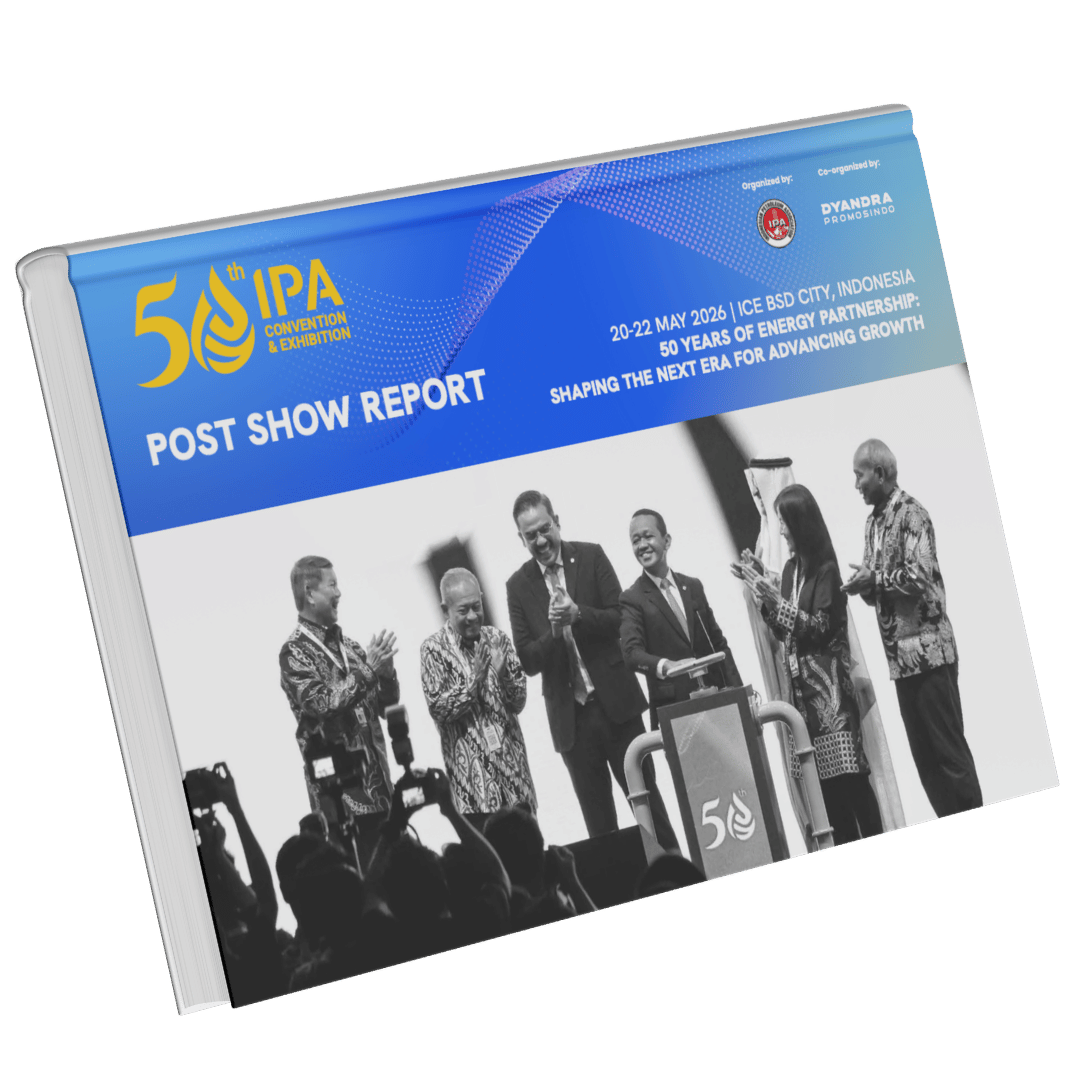

The global energy transition is currently at a crucial turning point, where decarbonization efforts must contend with the reality of rising global energy demand. This phenomenon reflects a central paradox: while the world is investing heavily in a cleaner future, it simultaneously remains reliant on petroleum and natural gas as established energy sources to sustain consumption and economic growth. This strategic narrative will be dissected in depth at the upcoming 50th IPA Convention and Exhibition (IPA Convex), scheduled for May 20–22, 2026.
Although clean energy investments continue to advance, the demand for hydrocarbons remains significant to support economic recovery. According to data from the International Energy Agency (IEA), global clean energy investment is estimated to reach US$2.2 trillion by 2025. However, at the same time, upstream oil and gas investment is also projected to rise to US$900 billion, marking an increase from the US$784 billion recorded in 2020.
This reality forms the primary foundation for discussions in one of the upcoming sessions. The situation is further underscored by policy shifts in several developed nations, such as the United States, which are readjusting their focus back toward conventional energy to safeguard their national energy security.
For the Southeast Asian region, this challenge is particularly tangible, given that nearly 80 percent of the regional energy supply still originates from conventional sources. Indonesia itself stands in a strategic duality: remaining fully committed to its Net Zero Emission 2060 target while ensuring the energy sector continues to support industrial growth and state revenue.
The session will emphasize that navigating the future of energy requires a pragmatic approach: "Ensuring energy availability while driving renewable energy development." This step aligns with the Indonesian government's climate commitment through its more ambitious Second NDC document for the 2031–2035 period, which nonetheless prioritizes a realistic roadmap for national development.
As a partner to the government, the IPA views that successfully navigating this "crossroads" requires robust policy synergy to maintain national sovereignty amidst volatile global geopolitics. This in-depth discussion will be moderated by Rachel Calvert (Director, S&P Global), bringing together perspectives from global industry leaders:
- Hiroyuki Mori (Executive Vice President and Member of the Board, JOGMEC)
- Puah Kok Keong (Chief Executive Officer, Energy Market Authority Singapore)
- Lee Junsung (Director, Office of CCUS/Emerging Industries, Korea Institute of Energy Technology Evaluation and Planning)
- Eniya Listiani Dewi (Director General of New, Renewable Energy, and Energy Conservation, Ministry of Energy and Mineral Resources)
- Yuzaini Md Yusof (President Director, PETRONAS Indonesia)
- Adnan Bu Fateem (Chief Operating Officer, Mubadala Energy)
- Daniel Fletcher (Head of CCUS, bp)
Stay tuned for this deep-dive session at IPA CONVEX 2026, held on May 20–22, 2026, at ICE BSD City. Join industry experts and policymakers to help shape a resilient and sustainable future for Indonesia's energy landscape.